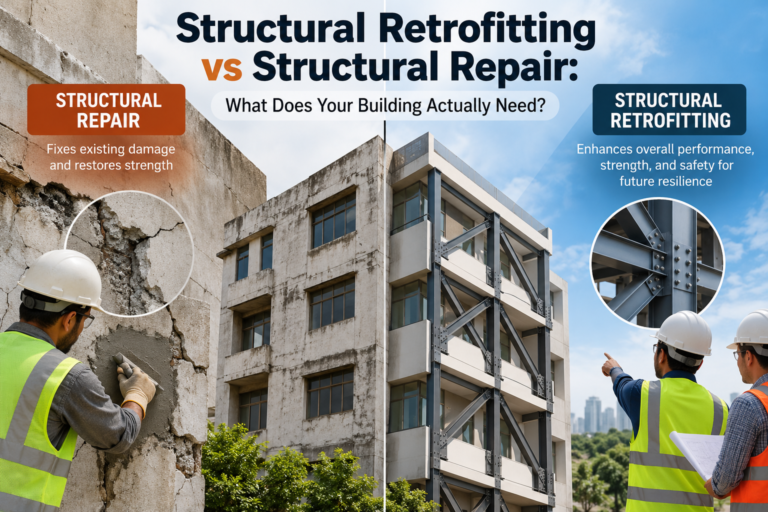
Structural Retrofitting vs Structural Repair: What Does Your Building Actually Need?
Structural retrofitting and structural repair are two important approaches used to address deficiencies in existing buildings. Although these terms are often used interchangeably, they serve different engineering objectives. Understanding the difference helps building owners, housing societies and industrial facility managers plan appropriate remedial works.
Buildings may develop concrete cracks, reinforcement corrosion, spalling, excessive deflection or other signs of deterioration over time. In some cases, restoring damaged structural components may be sufficient. In others, the building may require additional structural capacity, improved seismic performance or modifications to accommodate new loading conditions.
The distinction between structural retrofitting vs structural repair is particularly important when preparing a rehabilitation budget, reviewing structural audit reports or selecting a specialised contractor.
This guide explains structural repair, retrofitting, strengthening methods, cost considerations and how to determine the appropriate solution for residential, commercial and industrial buildings in Mumbai, Thane and Navi Mumbai.
1. What Is Structural Repair?
Structural repair involves treating damaged or deteriorated components of an existing building to restore their intended performance, durability and serviceability in accordance with engineering requirements.
Structural repairs are commonly required when reinforced concrete members have deteriorated due to reinforcement corrosion, moisture penetration, construction defects, localised damage or other identified causes.
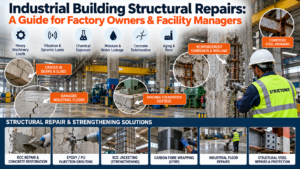
Common Structural Repair Activities
- Concrete crack repairs and injection grouting
- Removal of loose and deteriorated concrete
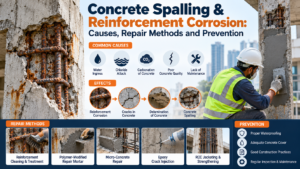
- Cleaning and treatment of corroded reinforcement
- Restoration using polymer-modified repair mortar
- Micro-concrete repairs to damaged RCC members
- Concrete slab, beam and column restoration
- Leakage rectification and protective treatments
The purpose of structural repair is generally to restore the condition or specified performance of an affected element rather than automatically increase its original design capacity.
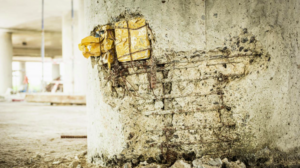
Example: An RCC beam develops concrete spalling due to reinforcement corrosion. Following engineering assessment, deteriorated concrete may be removed, reinforcement treated and the concrete section restored using an approved repair system.
If the engineer confirms that the beam has adequate remaining or restored capacity for the required loading, additional strengthening may not be necessary.
2. What Is Structural Retrofitting?
Structural retrofitting involves modifying an existing structure to improve its structural performance or address deficiencies identified through engineering evaluation.
Unlike repair, which primarily addresses deterioration or damage, retrofitting is generally intended to improve the structural system, increase capacity, enhance ductility or satisfy defined performance requirements.
Common Reasons for Structural Retrofitting
- Inadequate load-bearing capacity of existing structural members.
- Proposed additional floors or increased structural loading, subject to approvals.
- Installation of heavy machinery or equipment.
- Structural deficiencies identified during an engineering assessment.
- Seismic performance improvement of an existing building.
- Changes in building use or occupancy.
- Strengthening required due to alterations or modifications to the structural system.
Common Retrofitting Techniques
- RCC column and beam jacketing
- Steel jacketing and steel plate bonding
- Carbon Fibre Reinforced Polymer (CFRP) strengthening
- Additional structural bracing or shear walls
- Foundation strengthening where required
- Engineered slab and beam strengthening systems
Example: A factory proposes to install machinery that introduces additional loads to an existing floor. A qualified structural engineer assesses the available capacity and may design suitable strengthening measures before the equipment is installed.
Retrofitting must be based on a properly defined engineering objective and approved structural design. Not every strengthening method is suitable for every building.
3. Structural Retrofitting vs Structural Repair: Key Differences
The following comparison helps distinguish the objectives, applications and technical requirements of structural repair and structural retrofitting.
| Parameter | Structural Repair | Structural Retrofitting |
|---|---|---|
| Primary Objective | Restore damaged or deteriorated structural components. | Improve structural capacity, performance or resistance. |
| Typical Need | Corrosion, spalling, cracking and concrete deterioration. | Inadequate capacity, new loads or identified performance deficiencies. |
| Engineering Scope | Assessment and repair methodology appropriate to the damage. | Structural analysis and engineered strengthening design. |
| Common Methods | Mortar restoration, micro-concrete, crack injection and corrosion treatment. | RCC jacketing, CFRP, steel strengthening and additional structural elements. |
| Capacity Improvement | May restore specified capacity, but does not inherently upgrade it. | Intended to meet defined upgraded performance or capacity objectives. |
| Relative Cost | Often lower for comparable localised interventions. | Often higher due to design, structural modifications and materials. |
| Typical Application | Deteriorated RCC members, balconies and slabs. | Understrength members, load upgrades and seismic deficiencies. |
Key Difference: Structural repair primarily addresses existing damage or deterioration. Structural retrofitting addresses the need to improve structural performance. A building may require both approaches within the same rehabilitation project.
4. When Does a Building Need Structural Repair?
Structural repair may be appropriate where deterioration has occurred but the engineer determines that the required structural performance can be restored without additional strengthening.
Typical Repair Situations
- Localised concrete spalling caused by reinforcement corrosion.
- Concrete cracks requiring an approved repair treatment.
- Damaged cover concrete in columns, beams or slabs.
- Surface deterioration caused by long-term moisture ingress.
- Defects requiring restoration of damaged concrete sections.
Before carrying out these repairs, the underlying cause should be investigated and the condition of affected structural members evaluated.
Merely concealing damage with plaster or surface coatings does not constitute an adequate structural repair where deeper deterioration is present.
5. When Does a Building Need Structural Retrofitting?
Retrofitting may be required when the existing building or an individual structural member cannot adequately satisfy the defined loading or performance requirements.
Conditions That May Require Strengthening
- Inadequate capacity identified through structural analysis.
- Significant loss of reinforcement section or structural capacity.
- Proposed changes to building loads or functional use.
- Structural alterations affecting existing load paths.
- Deficient seismic performance identified through assessment.
- Structural members requiring upgraded strength or ductility.
- Foundations requiring additional capacity for approved modifications.
These conditions indicate the need for engineering evaluation and do not automatically establish that retrofitting is necessary.
A qualified structural engineer should establish the required performance criteria and recommend an appropriate design solution.
6. Common Structural Retrofitting Techniques
Retrofitting techniques vary depending on the structural material, building configuration, load requirements and engineering assessment.
6.1 RCC Jacketing
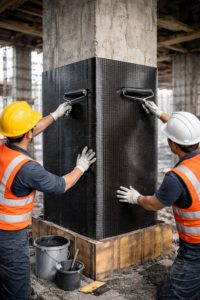
RCC jacketing involves adding reinforced concrete around an existing beam or column to improve its structural performance according to an approved strengthening design.
Proper reinforcement detailing, anchorage, interface preparation, load transfer and concrete placement are essential for effective execution.
6.2 CFRP Wrapping and Strengthening
Carbon Fibre Reinforced Polymer systems use engineered fibre composites bonded to structural members to provide additional reinforcement for specified strengthening objectives.
Applications may include selected beams, columns and slabs. Design must consider anchorage, substrate strength, environmental exposure and other relevant performance requirements.
6.3 Steel Plate Bonding and Steel Jacketing
Engineered steel elements may be added to existing structural members to improve selected performance characteristics.
Connection detailing, corrosion protection, anchorage and load transfer must be evaluated as part of the strengthening design.
6.4 Additional Shear Walls or Bracing
Additional reinforced concrete walls or steel bracing systems may be introduced to improve lateral structural resistance, where appropriate.
Such measures require evaluation of the entire structural system, including foundations and transfer of forces.
6.5 Foundation Strengthening
Foundation strengthening may be required when additional building loads, settlement or identified deficiencies demand improvements to the existing foundation system.
Solutions may involve underpinning, foundation enlargement or other engineered interventions depending on ground conditions and structural requirements.
7. Can Structural Repair and Retrofitting Be Combined?
Yes. Structural repairs and retrofitting are often complementary activities within larger rehabilitation projects.
For example, an ageing RCC column may exhibit corrosion, spalling and a reduction in reinforcement section. The engineer may determine that concrete restoration alone is insufficient to meet the required structural capacity.
A Combined Rehabilitation Approach May Include:
- Structural Assessment: Evaluate the existing condition, damage and required performance.
- Removal of Unsound Concrete: Carefully remove deteriorated concrete according to the approved repair methodology.
- Reinforcement Treatment: Examine, clean and treat existing reinforcement, with replacement or additions as specified by the engineer.
- Concrete Restoration: Restore damaged sections using suitable repair materials.
- Structural Strengthening: Execute approved jacketing, steel or composite strengthening systems where required.
- Protection and Quality Control: Complete appropriate protection, inspections and documentation.
The final sequence must be established in the approved execution methodology, including any necessary temporary support arrangements.
8. How Does a Structural Engineer Decide Between Repair and Retrofitting?
The decision should be based on engineering assessment rather than the visible appearance of cracks or deterioration alone.
Typical Assessment Process
- Visual Inspection: Examine cracks, spalling, deformation, leakage and other visible structural defects.
- Document Review: Review original structural drawings, previous repairs, building usage and available audit reports.
- Testing and Investigation: Undertake appropriate material testing and investigations where necessary.
- Structural Evaluation: Assess member capacity, load paths, current loading and identified performance gaps.
- Selection of Intervention: Establish whether repairs, strengthening, a combination of both or an alternative approach is appropriate.
- Design and Execution Specifications: Prepare the necessary design, repair details, technical specifications and quality requirements.
Engineering Consideration: For relevant seismic evaluation and strengthening work in India, engineers may refer to applicable Indian Standards, including IS 15988 and other current standards appropriate to the building and scope.
9. Structural Repair vs Retrofitting: Cost Considerations
The cost of structural repair or retrofitting cannot be reliably established without understanding the actual condition of the building and the engineering requirements.
Structural Repair Cost Factors
- Extent of concrete deterioration
- Repair area and thickness
- Reinforcement condition
- Approved repair materials
- Access and scaffolding requirements
- Waterproofing and protection scope
Structural Retrofitting Cost Factors
- Structural assessment and design requirements
- Required increase in member capacity
- Strengthening system and material quantities
- Anchorage and connection details
- Temporary propping and construction sequencing
- Foundation modifications where required
- Testing, inspection and quality control
- Operational disruption and accessibility
| Consideration | Repair | Retrofitting |
|---|---|---|
| Scope Complexity | Localised to extensive | Localised to system-wide |
| Engineering Design | Depends on repair requirements | Generally a central requirement |
| Specialised Materials | Repair mortars, grouts and coatings | Steel, CFRP, concrete and anchors |
| Cost Comparison | Depends on damage and quantities | Depends on strengthening objectives |
| Typical Duration | Depends on repair scope | Depends on design and execution scope |
For comparable localised situations, conventional repairs may be less costly than structural strengthening. However, extensive deterioration may result in substantial repair expenditure, and cost alone should not determine the required intervention.
Building owners should seek a properly defined scope and an itemised Bill of Quantities before comparing contractor quotations.
10. Applications in Housing Societies and Industrial Buildings
Residential Buildings and Housing Societies
Housing societies may require structural repairs for deteriorated balconies, columns, beams, chajjas, slabs and parking areas.
Retrofitting may become necessary where structural deficiencies, alterations or performance objectives justify additional strengthening.
The appointed structural engineer should establish the repair requirements and technical scope.
Industrial Buildings and Warehouses
Industrial facilities may require repairs due to concrete deterioration, chemical exposure, moisture, vibration or accidental damage.
Retrofitting may be considered when installing additional machinery, changing equipment loads, modifying structural bays or upgrading existing buildings.
Construction within operational facilities may also require careful planning for access, temporary support, equipment protection and continuity of industrial operations.
Commercial and Institutional Buildings
Existing commercial and institutional buildings may require repairs to restore deteriorated RCC components or strengthening to accommodate approved changes in usage and loading.
11. Choosing the Right Contractor for Structural Repair or Retrofitting
Structural repairs and retrofitting require appropriate technical knowledge, qualified site personnel, suitable materials and controlled workmanship.
Important Contractor Selection Criteria
- Experience with similar RCC repairs and strengthening works.
- Ability to interpret and execute approved structural drawings.
- Knowledge of repair mortars, grouting, CFRP and jacketing systems.
- Suitable substrate preparation and reinforcement treatment methods.
- Site engineering supervision and quality control arrangements.
- Appropriate access, safety and temporary works procedures.
- Transparent BOQ-based quotations and measurement records.
- Clear documentation of materials and completed works.
Selecting a contractor solely on the lowest price without confirming the repair methodology, specifications and scope can create additional technical and commercial risks.
12. How Structonix Supports Structural Repair and Retrofitting Projects
Structonix provides specialised structural repair, rehabilitation, concrete restoration and strengthening execution services for residential, commercial and industrial buildings.
We focus on implementing suitable repair and strengthening methodologies in accordance with approved engineering requirements, material specifications and site conditions.
Our Structural Repair Services
- Concrete crack repair and injection grouting
- Concrete spalling and RCC section restoration
- Reinforcement corrosion treatment
- Polymer mortar and micro-concrete repairs
- Concrete rehabilitation and protective treatments
- Leakage rectification and waterproofing
Our Structural Strengthening Services
- RCC beam and column jacketing
- CFRP wrapping and strengthening
- Steel plate bonding and steel jacketing
- Engineered RCC strengthening works
- Associated concrete restoration works
Where structural assessment, strengthening design or stability certification is required, the appropriate qualified structural engineer must establish and approve the necessary technical requirements.
We consider suitable project requirements across Mumbai, Thane, Navi Mumbai and surrounding industrial areas of Maharashtra.
13. Frequently Asked Questions
What is the main difference between structural repair and structural retrofitting?
Structural repair primarily restores damaged or deteriorated structural components, while structural retrofitting is intended to improve the structural performance or capacity of an existing building.
Does every building with cracks require structural retrofitting?
No. Cracks can result from various structural and non-structural causes. A qualified structural engineer should investigate their cause and determine whether repair, strengthening or another intervention is required.
Is RCC jacketing a repair or retrofitting technique?
RCC jacketing is commonly used as a structural strengthening or retrofitting technique. It may form part of a wider rehabilitation programme involving both repair and strengthening works.
Can CFRP wrapping replace conventional RCC jacketing?
CFRP strengthening can be suitable for certain applications, but it is not a universal substitute for RCC jacketing. The choice depends on structural demands, member condition, detailing, exposure and engineering design.
Is structural retrofitting always more expensive than repair?
Not necessarily. Costs depend on the type and extent of intervention. Some localised strengthening works may cost less than extensive rehabilitation of a severely deteriorated building.
Can structural repairs and retrofitting be carried out together?
Yes. A building may require concrete restoration to address deterioration and additional strengthening to satisfy defined structural performance requirements.
Who decides whether a building requires retrofitting?
A qualified structural engineer should determine the need for retrofitting based on appropriate investigation, analysis and applicable engineering requirements.
Does Structonix undertake structural retrofitting in Mumbai?
Structonix provides specialised structural repair and strengthening execution services for suitable projects in Mumbai, Thane, Navi Mumbai and nearby areas, in accordance with approved engineering specifications.
14. Conclusion: Repair or Retrofit?
Understanding the difference between structural retrofitting and structural repair is an important first step in planning rehabilitation work.
Structural repair focuses on restoring damaged or deteriorated components. Structural retrofitting focuses on improving performance or capacity where an engineering assessment identifies a need.
The right solution may involve repair, strengthening or a combination of both. The choice must be guided by structural evaluation, engineering design and the actual condition of the building.
For building owners and housing societies, early assessment, appropriate technical specifications and controlled execution can help achieve durable and effective rehabilitation outcomes.